
How do Biogents mosquito traps affect the environment?
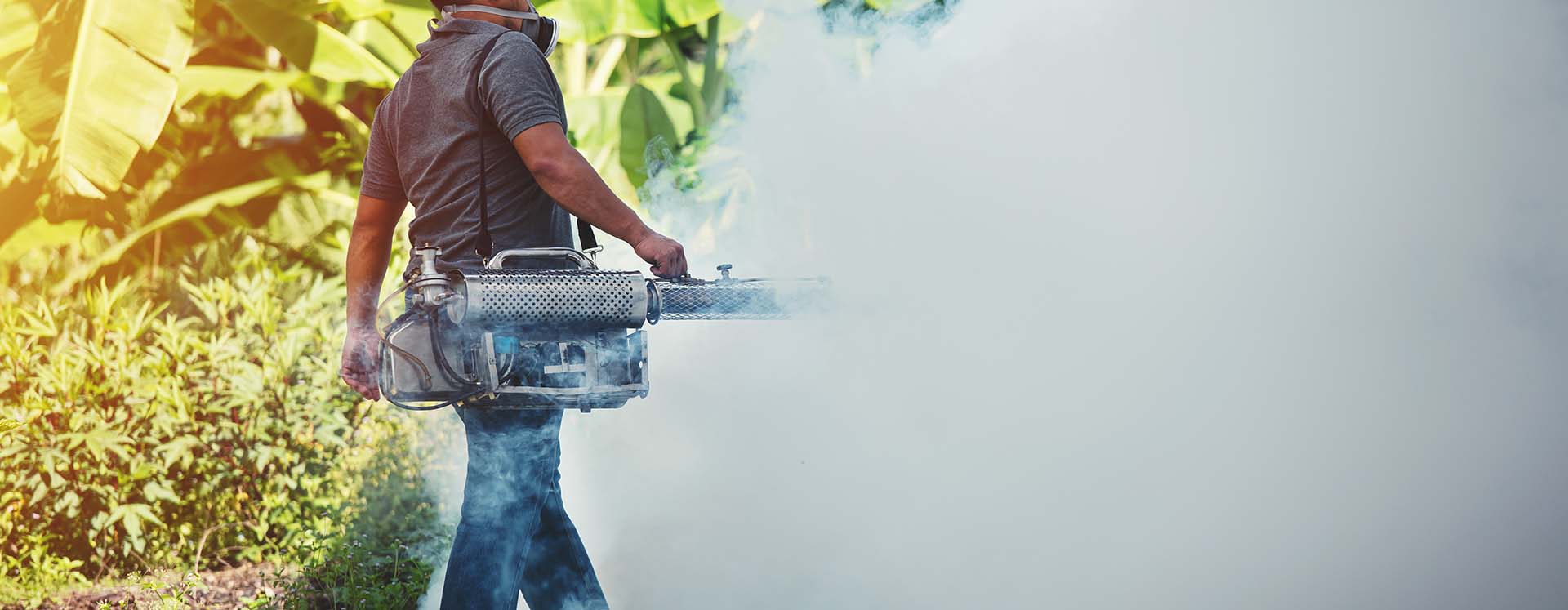
In many countries, insecticides are used extensively to control mosquitoes, which are exterminated on a large scale there, not only because of mosquito bites, but because of disease transmission such as malaria, dengue, and chikungunya fever. Due to the use of insecticides, the entire animal and plant world also suffers. Other types of mosquito traps, on the other hand, often work with UV light, which attracts and kills any insects. All of this can be prevented by using our mosquito traps, which attract mosquitoes only by using an attractant developed based on 16 years of mosquito research. Due to the establishment of the tiger mosquito in our region, it is also important to control mosquito populations in a sustainable manner due to disease transmission. This is because invasive mosquitoes are not among the species that are becoming extinct.
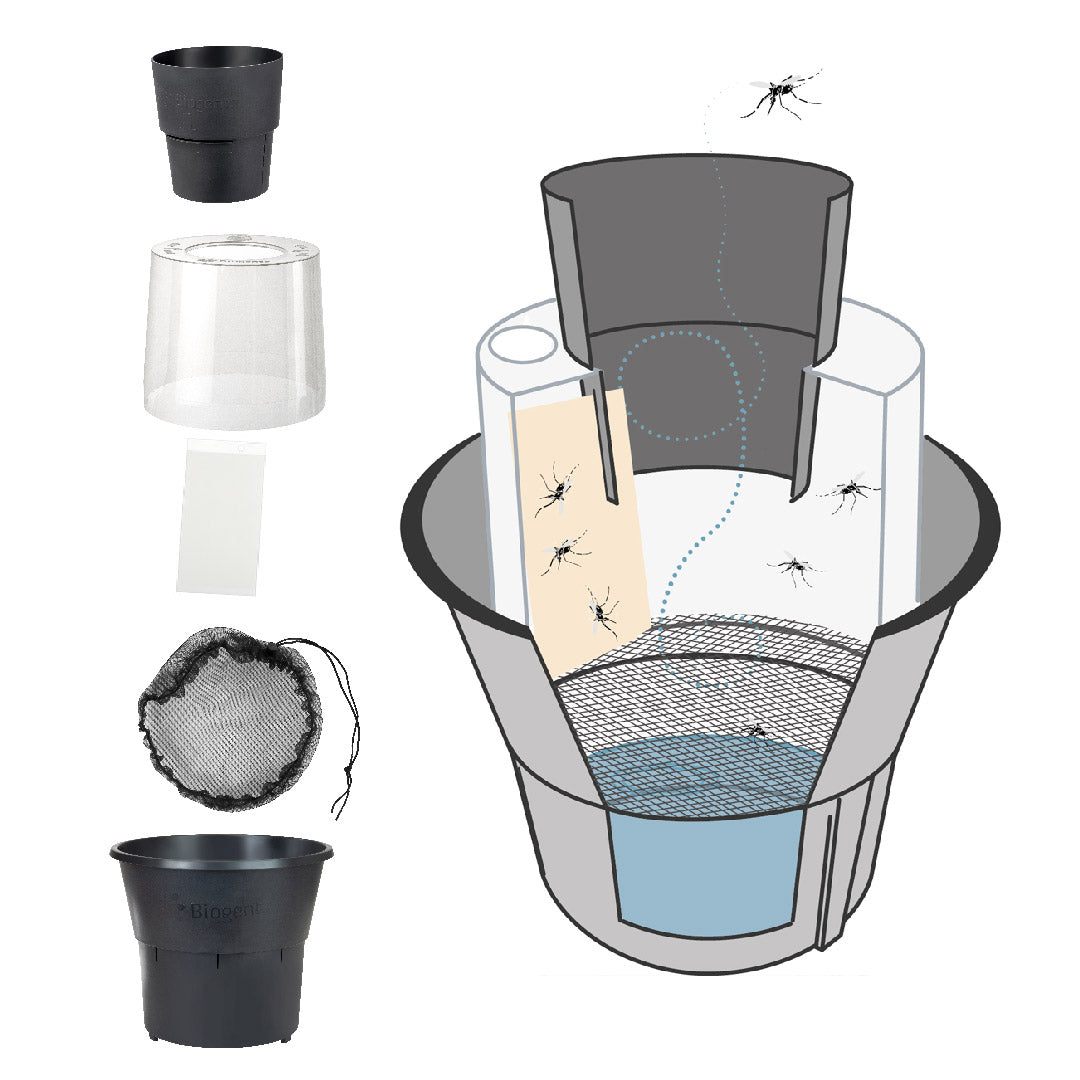
Biogents traps target only mosquitoes using a scientifically-developed attractant, the result of 16 years of mosquito research. No harmful insecticides that devastate plants and wildlife. No UV lights that kill beneficial insects. Just precise, effective mosquito control.
With invasive tiger mosquitoes spreading diseases like malaria, dengue, and chikungunya, controlling mosquito populations sustainably is more critical than ever. Traditional methods create collateral damage. Ours eliminates the threat while protecting everything else.
At Biogents, we’ve spent over 16-20 years studying mosquito behavior to develop traps that are both highly effective and environmentally responsible. Unlike traditional mosquito control methods that rely on broad-spectrum insecticides—harming beneficial insects, plants, and entire ecosystems—Biogents traps use a scientifically developed attractant that specifically targets mosquitoes.
While other traps often rely on UV light and indiscriminately kill any insect that approaches, Biogents traps are precisely designed to attract only mosquitoes, ensuring protection without disrupting local biodiversity.
With the spread of invasive species like the tiger mosquito, sustainable mosquito control has become more important than ever—not only for comfort, but also for reducing disease risks such as dengue, chikungunya, and malaria. Biogents provides a long-term, environmentally friendly solution for protecting people and preserving nature.
New to mosquito control terminology? Learn how Biogents traps work using CO₂ and attractants. For definitions of key scientific terms, visit our detailed Entomology Glossary.
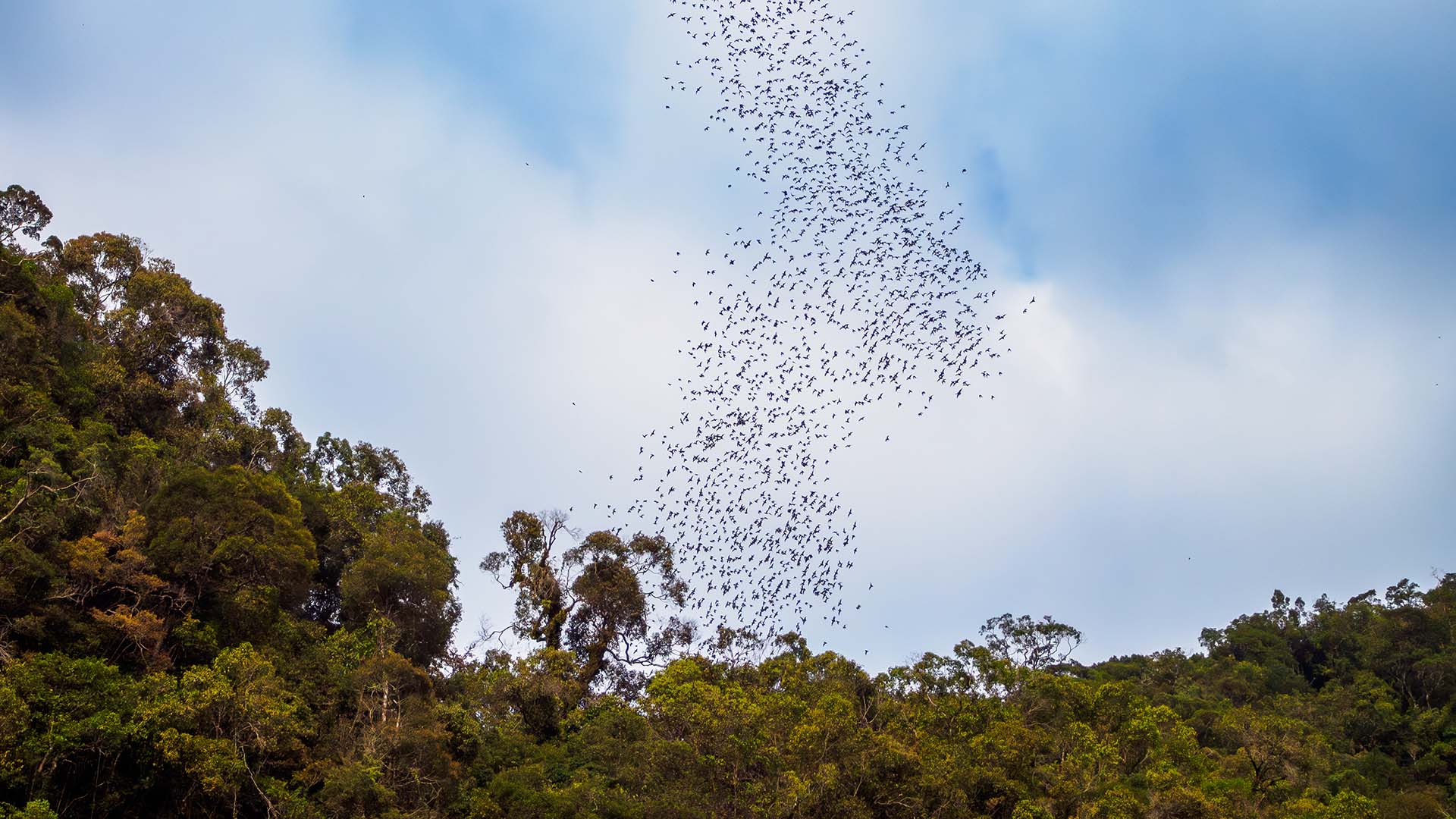
Moreover, mosquitoes are a very small food source for birds, bats, etc. (less than 5%). The 5% is based on studies that have examined the food intake of bats and birds. But also in other scientific publications you can read that the percentage of natural predators for mosquitoes is only a very marginal proportion. Mosquitoes have a huge reproduction potential (there are 300+ eggs produced by a single female). Mosquitoes die mainly because of abiotic factors such as outside temperature. As our company was founded by biologists, we are always eager to have our traps tested and evaluated in long-term studies worldwide in order to be able to scientifically verify the impact.
In a large project in the Maldives, the use of our mosquito traps has allowed the environment to recover from years of insecticide spraying, allowing native insects and flowering plants to return. You can find more information on this topic at:
Mosquito control therefore only has a negative ecological effect if the extermination is carried out over a wide area and is not targeted, thus affecting a wide range of insects and animals.
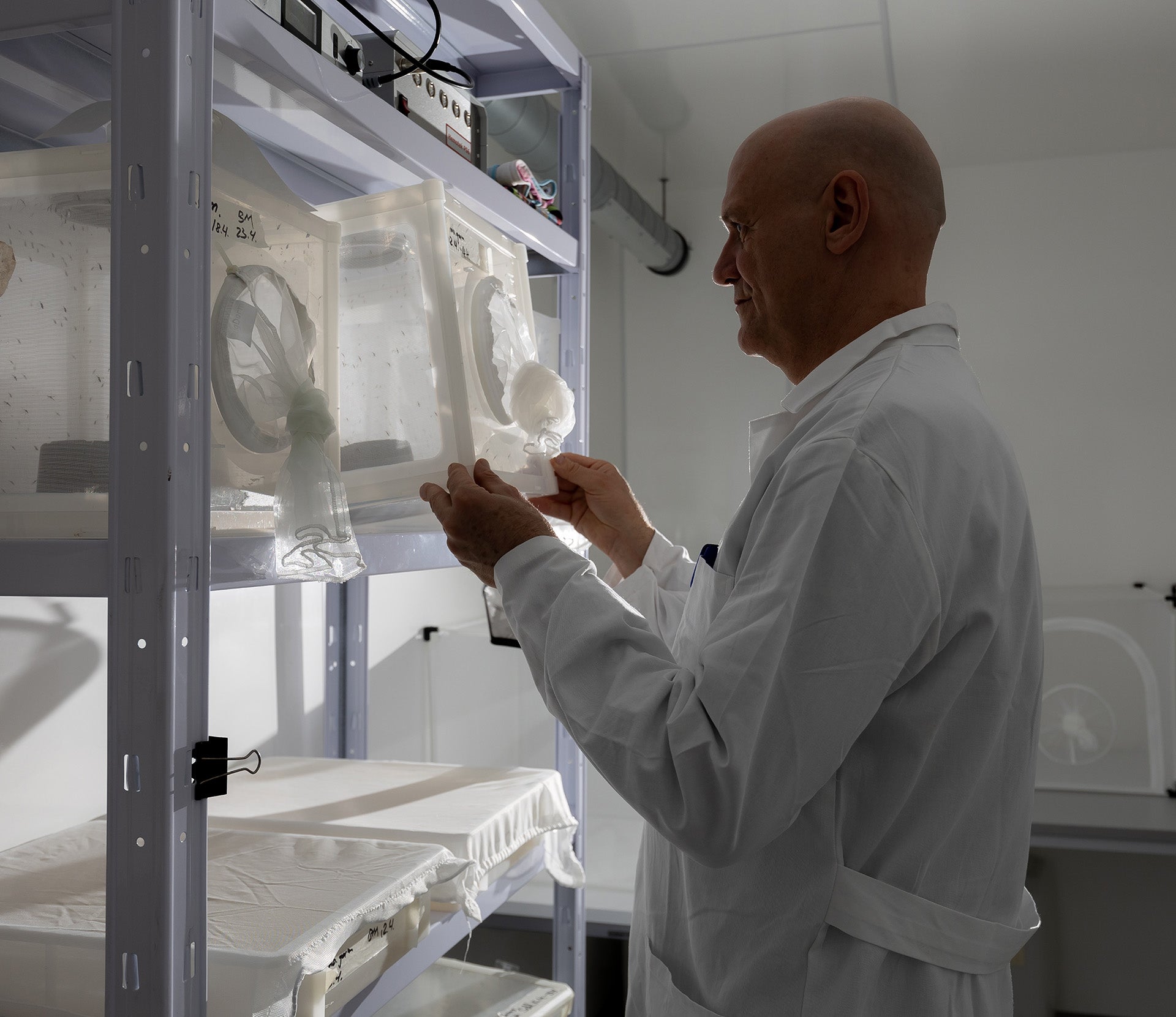
And last but not least: Our traps are live traps. You could even change the trap bags daily and release the catch at a safe distance or freeze them and then feed them frozen to birds and fish.
Share:
Revolutionizing Mosquito Control for Pest Control and Hospitality
Evergreen Award Winner - Biogents: Best Mosquito Trap in the USA 2025