
Choosing Your Mosquito Control Traps
Let us help you decide what you need to protect your space
Biting Phase
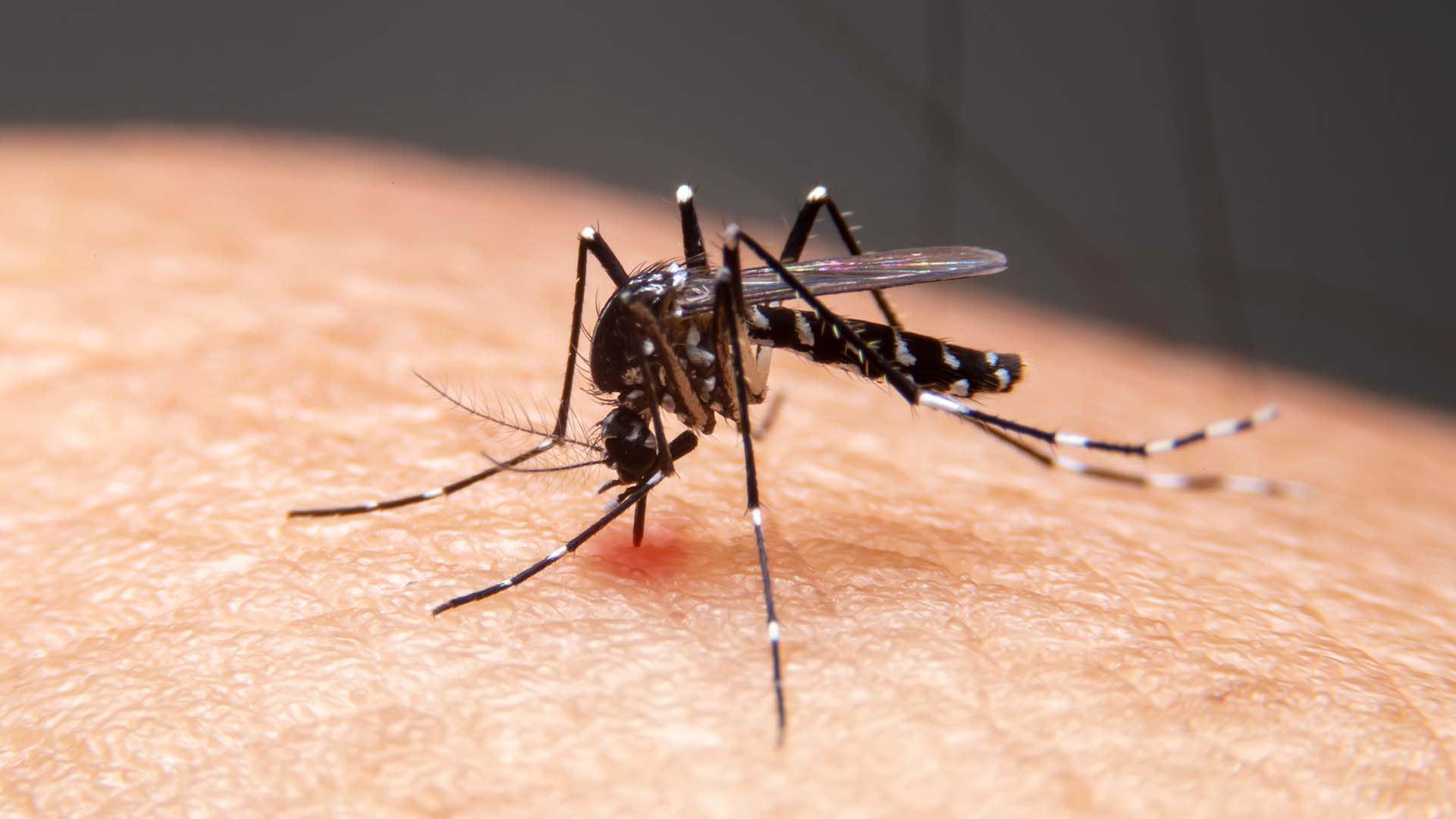
The Blood Meal
After mating, female mosquitoes need a blood meal before they can lay their eggs. The micro-predators bite not just humans, but also birds and deer, which can carry deadly vector-borne diseases. They follow scents, human breath patterns, and visual cues to seek their needed meal (you).
Ever wonder why some people are more attractive to mosquitoes than others? Our scientists did too, and they used that insight to engineer the most effective attractants and traps to lure mosquitoes.

Trap Micro-predators
Catch them BEFORE they bite
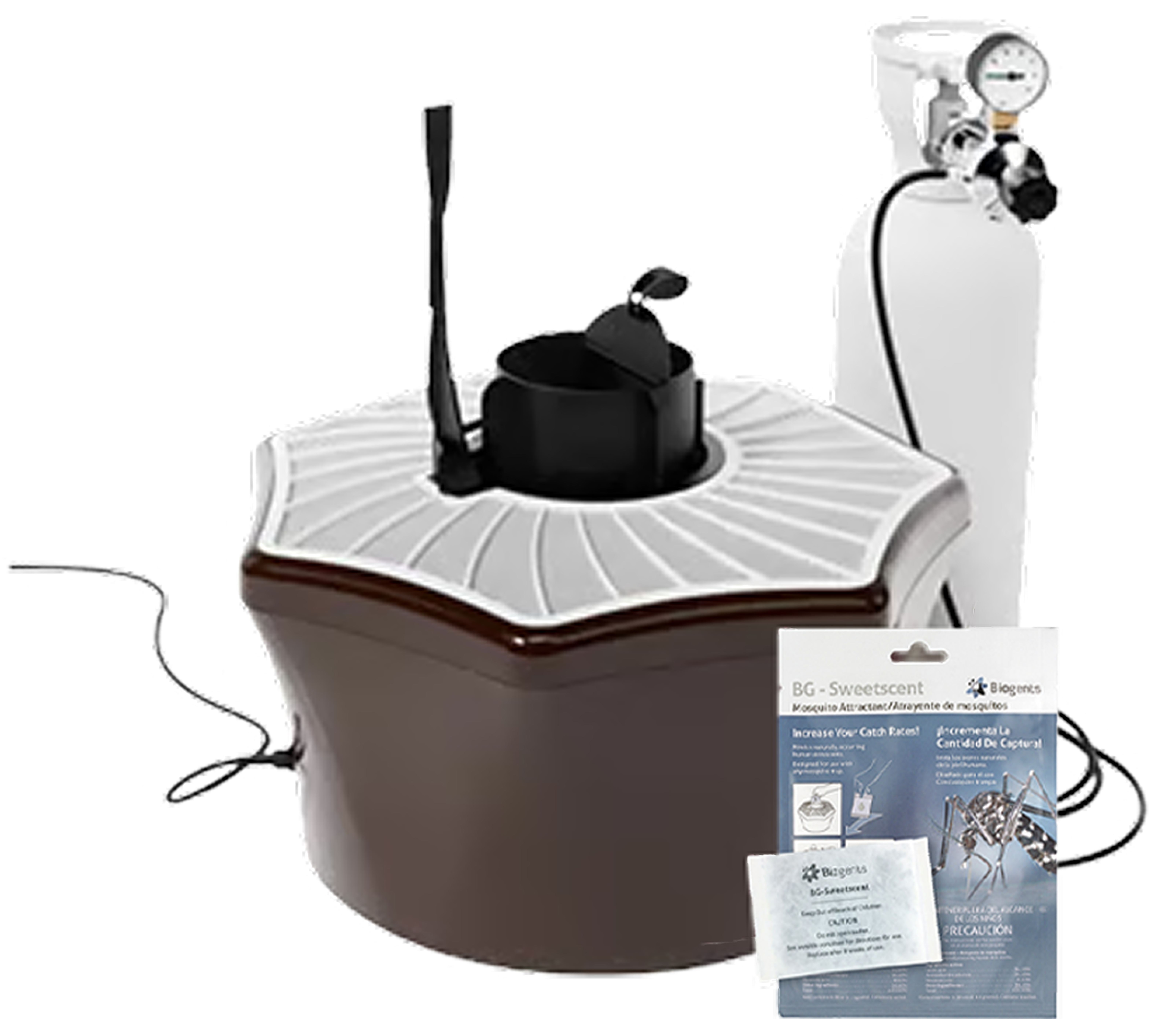
The BG-Mosquitaire trap is engineered to attract and catch biting insects seeking that blood meal. Yes, that's YOU! These traps are placed in perimeter areas before they can get to you and your family, creating a protected zone. It plugs in with low power consumption and uses a fan to draw mosquitoes in, protecting for an extended period.
For indoor mosquito traps, choose the BG-Home with a compact design. They also include an optional UV light to lure other annoying pests inside your home.
BG-Sweetscent and CO2 are recommended attractants.
Egg-laying Phase
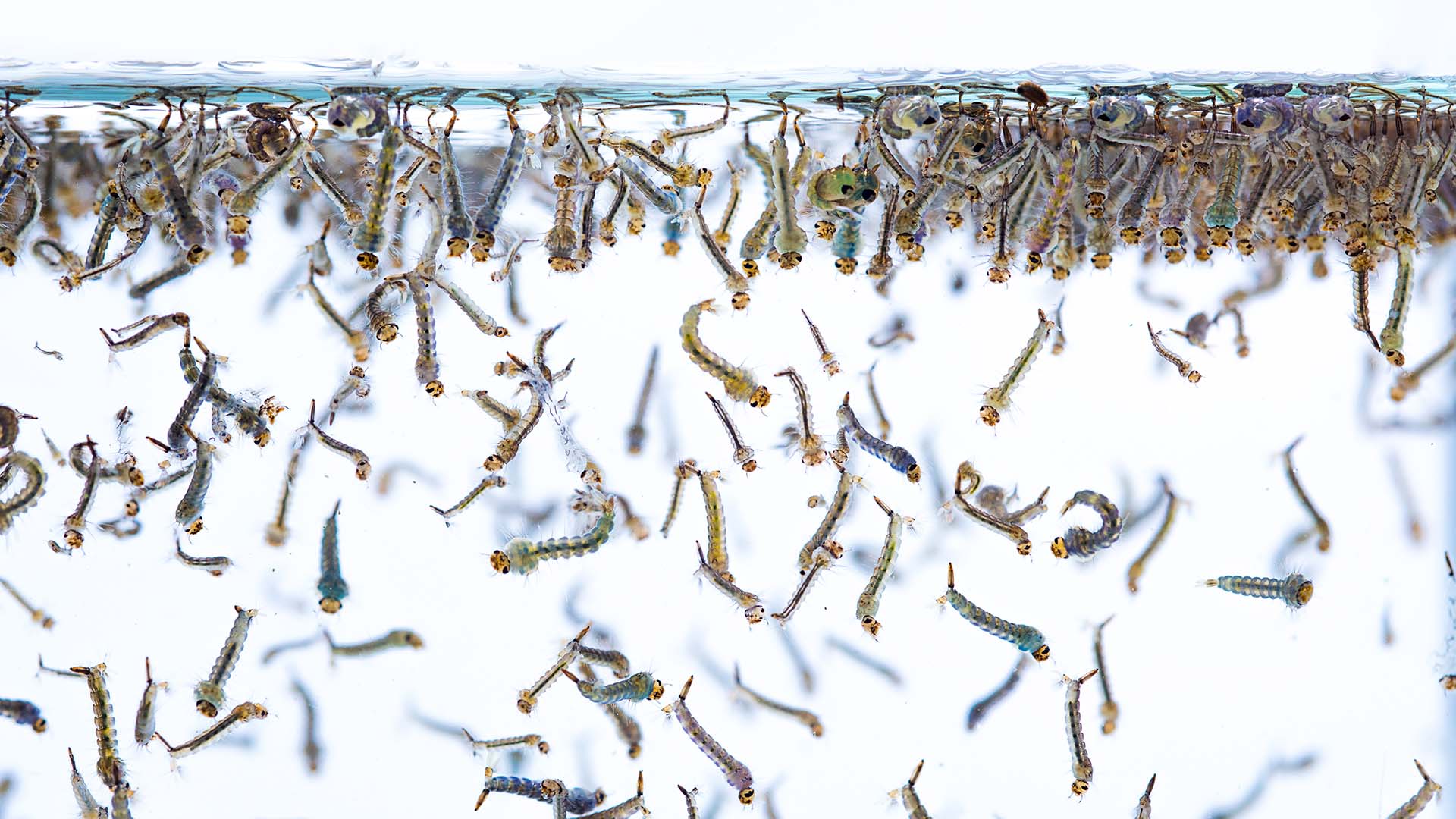
The Breeding Site
After a bite and a blood meal, mosquitoes lay 50-100 eggs in stagnant water sources. Any mosquitoes that were infected by a disease from their last meal fly off to bite again and potentially transmit that disease. Always keep your space clear of containers that collect standing water to reduce potential breeding areas.
Prevent Breeding
Catch them BEFORE they lay eggs
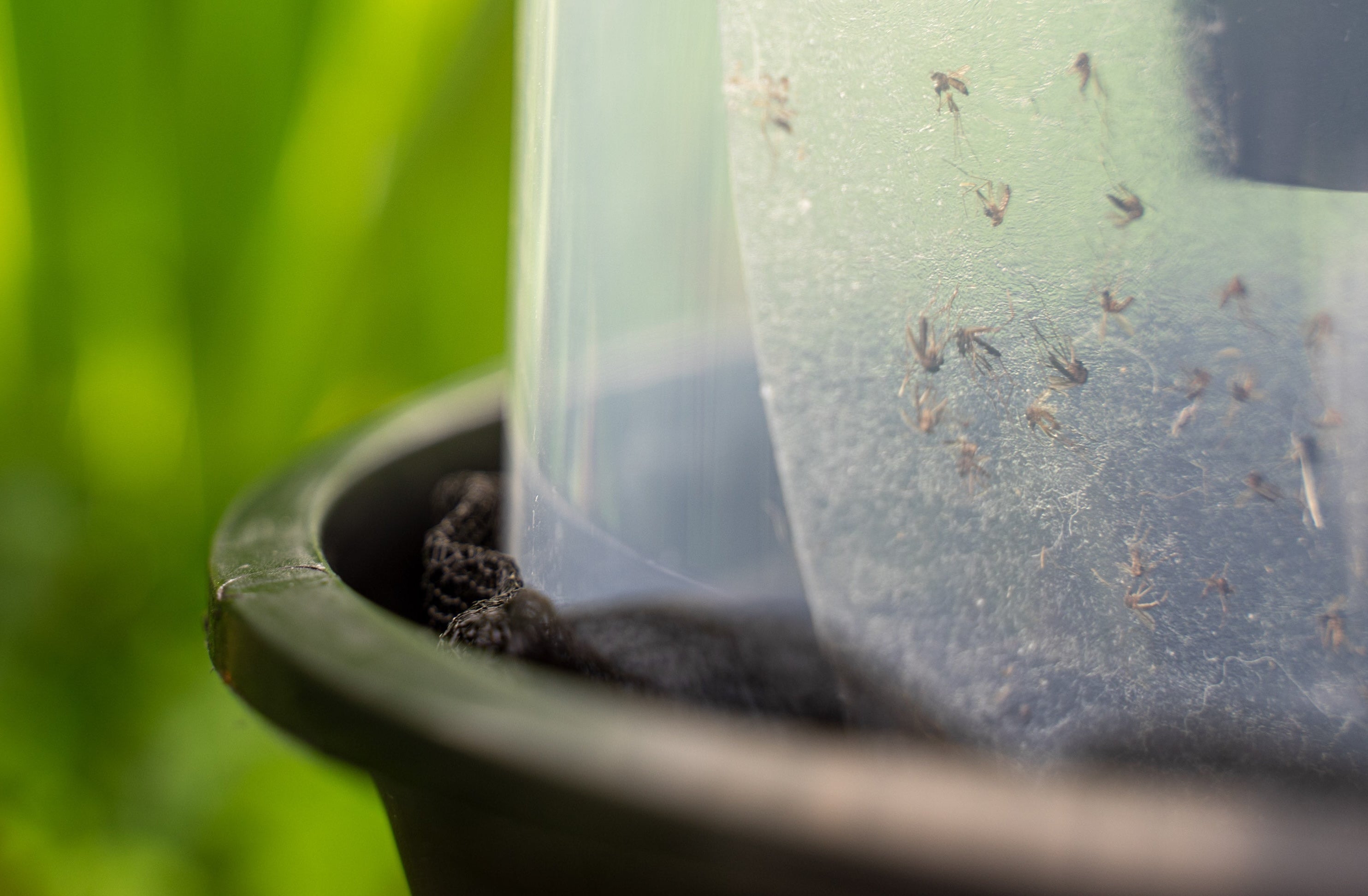
The BG-GAT sticky traps mimic a breeding site. It attracts female tiger mosquitoes looking for standing water to lay eggs on AFTER they have bitten.
The trapped adult mosquitoes get stuck on a sticky card and die. Every mosquito caught prevents 50-100 new mosquitoes from hatching. It's all about reducing the mosquito population over the long term.
Some important factors to consider as you select your traps
Mosquito species and types
All of our traps are engineered to catch Tiger mosquitoes. They are unusually aggressive, bite during the day, and are attracted to our BG-Sweetscent. We highly recommend adding CO2 if you have house or floodwater mosquitoes.
Size of your space
The range of a single trap is about 360 sq yds or 33 ft diameter. Using CO2 can increase your coverage to about 840 sq yds. For a typical patio or outdoor space, we recommend starting with two BG-Mosquitaire traps on either side and 15 ft away from people. Add two or more BG-GAT traps within your space.
Environment & conditions
Sun, shade, wind, standing water, trees, and even wide roads can impact mosquito activity. You may need to test different trap placements for a week at a time to find the best catch rates. Try a Google satellite image of your space to help you make a plan.
Types of Mosquitoes
Roughly 200 mosquito species can be found across the United States. While they may look similar, they don't behave the same. Most species fall into three main groups, each with their own habits, biting patterns, and preferred environments. Which type is the nuisance in your space?
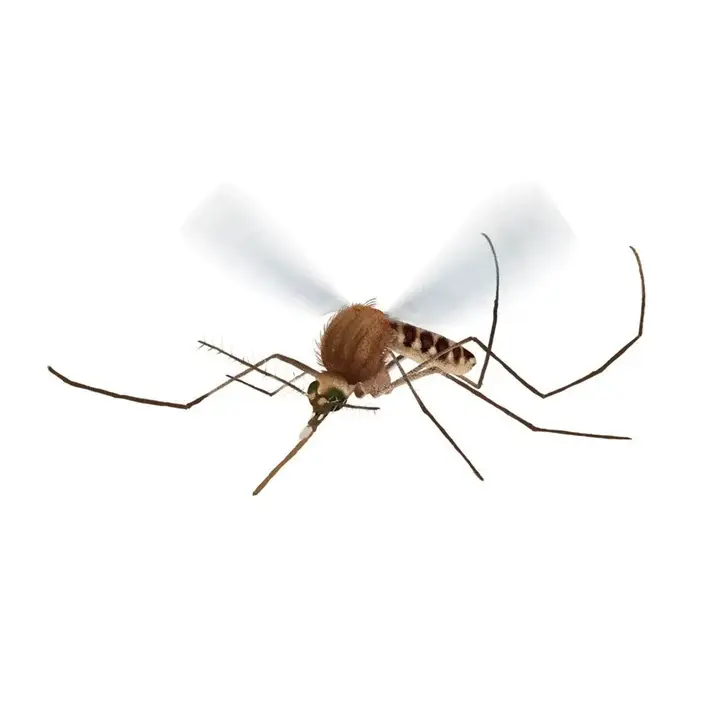
House Mosquitoes (Culex)
Night-time biters breeding in stagnant water near homes. Common porch pests and primary U.S. carriers of West Nile virus.
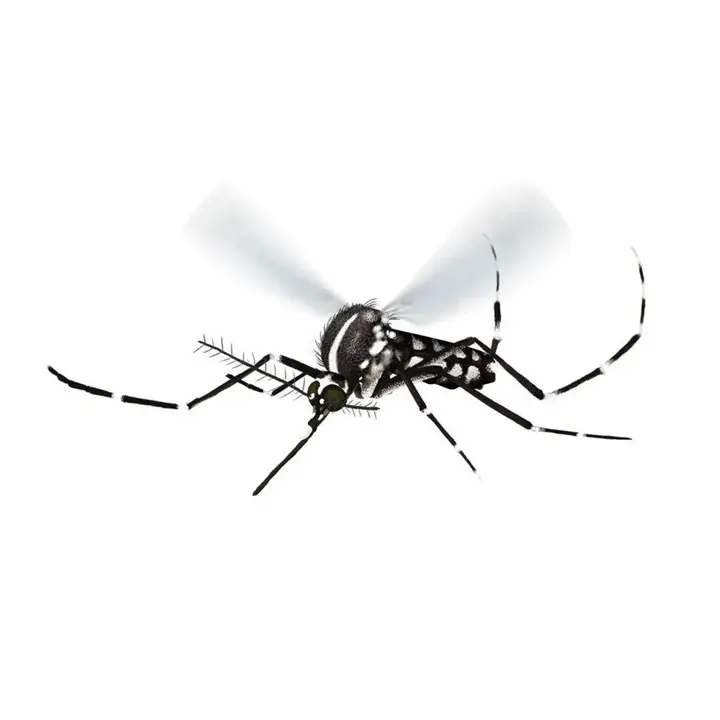 Most Common
Tiger Mosquitoes (Aedes)
Daytime, aggressive biters with white stripes. Prefer small containers and human hosts. Key transmitters of dengue, Zika, chikungunya, yellow fever.
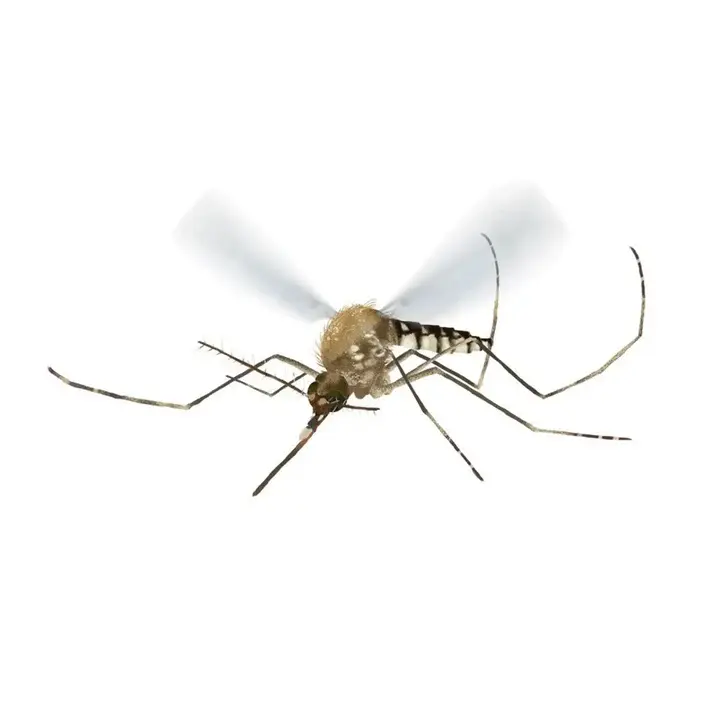
Floodwater Mosquitoes
Emerge rapidly after rains or floods. Eggs hatch in large bursts, creating swarms. Strong biters that can travel long distances.
Tiger Mosquito Distribution & Product Recommendations
All Biogents traps are engineered to target aggressive, day-biting tiger mosquitoes - dominant in many U.S. regions. Adding CO₂ broadens performance to additional mosquito types. Use the map and key below to find the recommended setup for your area.

This map is based on the CDC's best estimated range of Aedes aegypti and albopictus in the contiguous US, 2017.
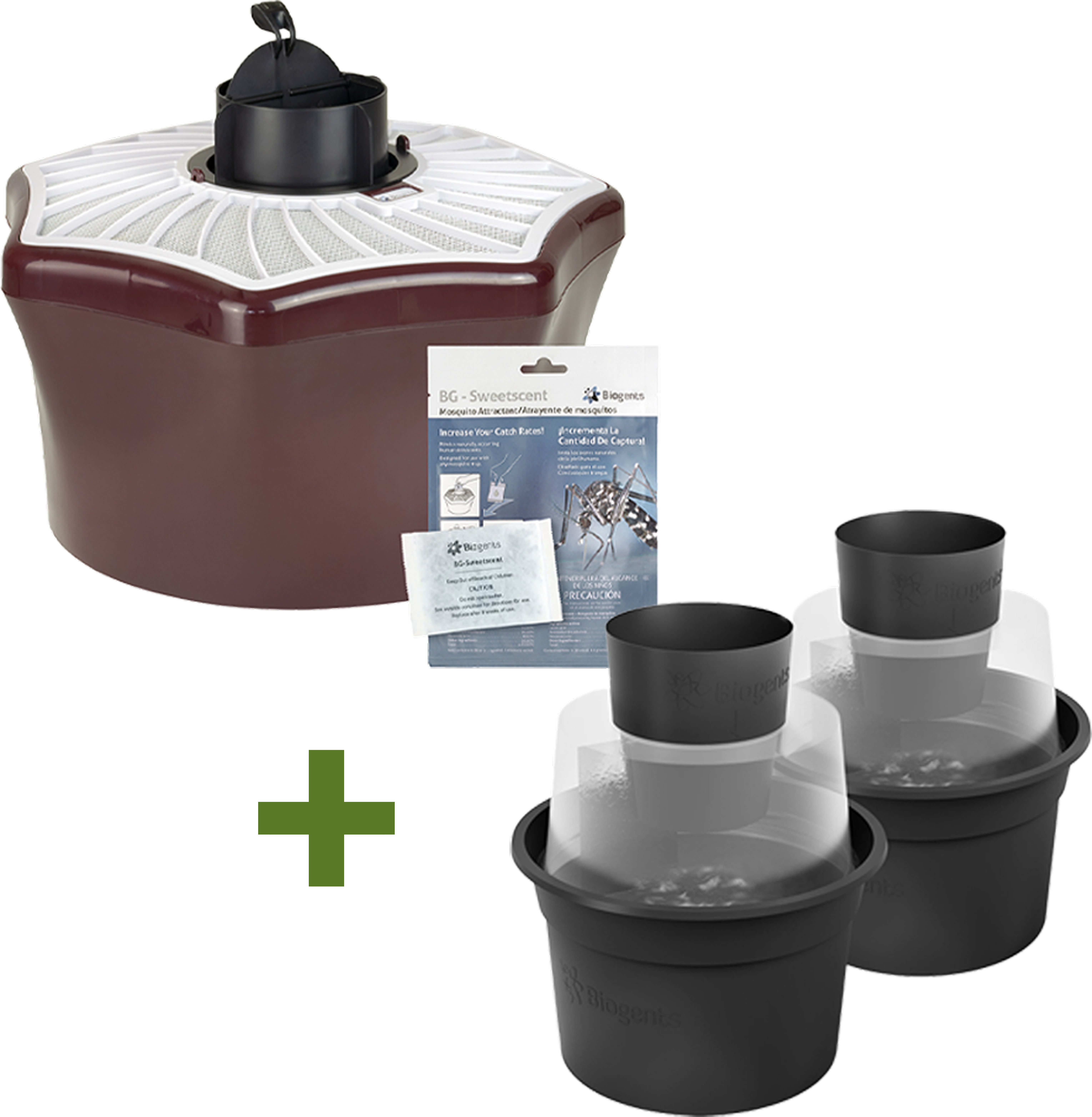
Why Use Mosquito Traps with CO₂
Traditional methods like sprays or fogging only push mosquitoes away for a short while and may put pets, pollinators, and the environment at risk. The Mosquitaire with Sweetscent and CO₂ takes a smarter approach by recreating the signals mosquitoes use to find people - scent, body currents, and breath. With CO₂ added, the trap attracts a much wider range of mosquito species, boosting catch rates and reducing populations more effectively over time. Insecticide-free and backed by science, it provides safe, long-lasting protection you can count on season after season.

Science-Backed Design
Patented human-scent lure, optimized airflow trap, and steady CO₂ output combine to mimic a real host - boosting attraction and capturing a wider range of mosquito species for reliable relief.

Eco-Friendly & Effective
Smart insecticide-free control that actually works! The trap is safe for your family, pets, pollinators and plants while protecting you from bites and mosquito-borne diseases.
Visible Results
Experience satisfying and measurable reduction in mosquito bites with consistent use. Protects your outdoor space for long-term peace of mind.

Energy-Efficient
With just 5 watts of power consumption, the Biogents Mosquitaire offers sustained mosquito control that is cost-effective, reliable, and environmentally responsible.
 60 days money back guarantee
Need some more info on the best mosquito traps? We got you.
Based on 20 years of scientific research, our products are used and trusted by professionals, public health agencies, and homeowners alike across the world. Our effective solution provides protection without harmful spray or chemicals. Find out what makes Biogents different.
Learn how our different traps and attractants work. Then build an effective mosquito control system that targets different phases of the life cycle while preserving beneficial insects and avoiding other flying insects. Unlike temporary spray repellents or citronella candles, our traps provide long-term benefit. It’s science for your protection.
Our traps are among the best mosquito solutions available, but mosquito control can be tricky, and several factors might affect their performance, including trap positioning.