
Getting rid of mosquitoes takes more than swatting the adults you can see. Start by removing the water they use for breeding, block their way indoors, protect yourself from bites, and use targeted control where mosquitoes remain active. Each step handles a different part of the problem, which is why a combined approach makes the biggest practical difference.
Remove the Water Mosquitoes Use
Mosquitoes lay eggs near water, so the most useful place to start is with anything that stays wet around your property. Once a week, empty and scrub, turn over, cover, or discard water-holding items. The CDC’s home mosquito-control advice includes common trouble spots such as buckets, planters, toys, birdbaths, flowerpot saucers, and trash containers.
- Walk around after rain and empty small containers before they become part of the landscape.
- Scrub containers rather than tipping out the water alone, then turn them over or store them under cover.
- Fit water-storage containers with tight lids. If there is no lid, cover the opening with wire mesh whose holes are smaller than an adult mosquito.
Water that cannot be drained, dumped, or covered needs a different decision. A larvicide may be appropriate when that water will not be used for drinking, but the product label determines how and where it may be used. If you are already seeing immature mosquitoes, our guide to mosquito larvae in standing water explains what you are looking at, while our guide to killing mosquito larvae in water covers the treatment question in detail.

Control the Adult Mosquitoes That Remain
Removing breeding water prevents new mosquitoes from developing on your property, but it does not catch adults that are already flying or arriving from nearby areas. This is where targeted trapping fits into a broader control plan. You can compare available trap approaches according to the mosquito activity you are trying to address.
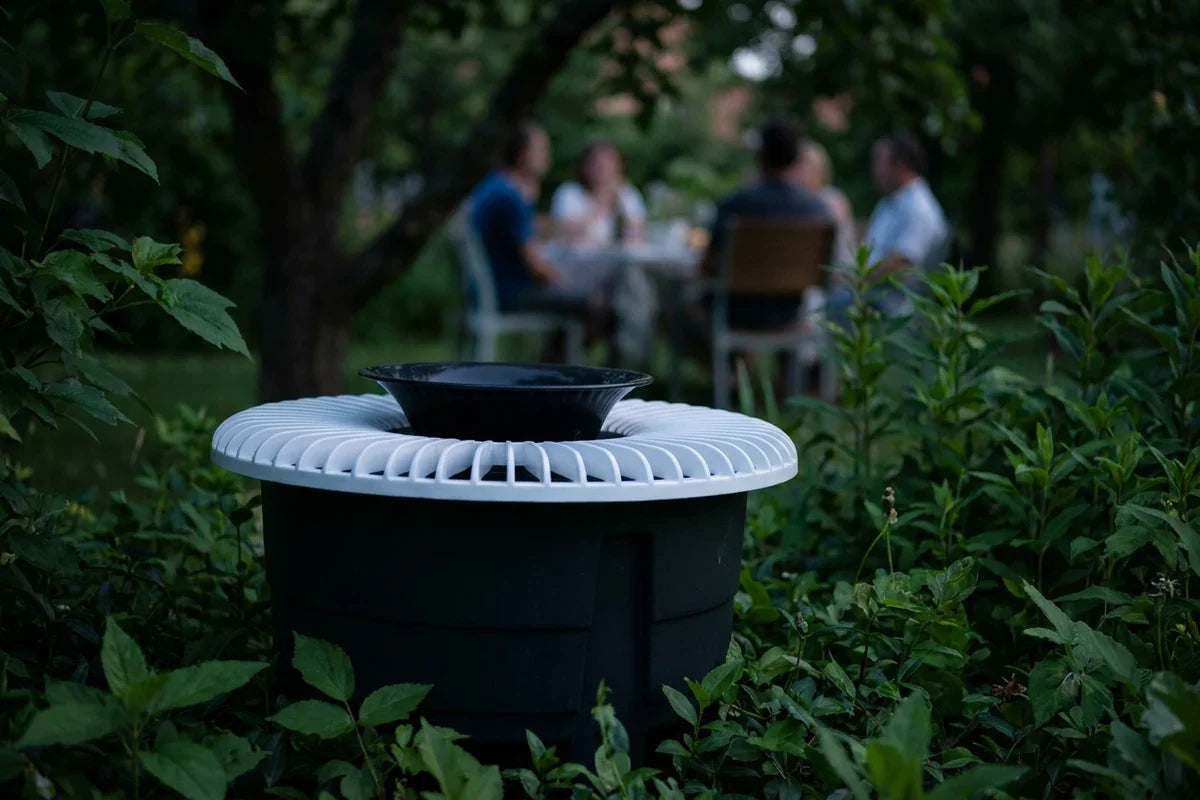
A host-seeking mosquito is looking for a blood meal. Biogents outdoor suction traps use cues associated with a human host to attract and capture these biting mosquitoes. If that is the activity you notice around a patio or another outdoor space, outdoor suction-trap options provide a more focused response than chasing individual mosquitoes with a swatter.
Egg-laying females call for another kind of trap. A gravid trap, meaning a trap intended for females ready to lay eggs, mimics a breeding site and captures mosquitoes that investigate it. Pairing that role with a biting-mosquito trap addresses two different points in mosquito activity. Our egg-laying mosquito trap selection is intended for that part of the system.
Carbon dioxide (CO2), one of the cues mosquitoes associate with breathing, can also be added to compatible trapping setups. It broadens the range of mosquitoes attracted to the trap. Consider CO2-supported trapping options when you need that additional attraction method rather than assuming every mosquito problem calls for the same setup.
Outdoor conditions and the area you need to cover still shape the practical plan. Our complete guide to getting rid of mosquitoes in your yard goes further into outdoor control without crowding this general approach with property-specific details.

Protect Yourself While Control Measures Take Effect
Population control and personal bite protection solve different immediate needs. When you are outside, use an EPA-registered insect repellent and follow its label for application and reapplication. The CDC’s bite-prevention recommendations list active ingredients including DEET, picaridin, IR3535, oil of lemon eucalyptus, para-menthane-diol, and 2-undecanone.
Loose-fitting long sleeves and pants add a physical barrier between mosquitoes and your skin. Clothing and gear treated with permethrin are another option, provided they are used according to their directions. These measures are especially useful when you cannot control the surrounding property, such as at a park, campsite, rented venue, or shared outdoor space.
Keep Mosquitoes From Settling Indoors
A mosquito indoors may have flown through an open doorway, entered through a damaged screen, or developed from water left inside. Repair window and door screens, keep doors closed, and use air conditioning when possible. Empty and scrub indoor containers that collect water rather than treating each adult mosquito as an isolated visitor.
Mosquitoes commonly rest in dark, humid places. Check under sinks, in showers, inside closets, beneath furniture, and around the laundry room when one seems to disappear. A fan or vacuum may help you deal with the mosquito you find, but closing the entry point and removing water prevents the same situation from becoming routine.
A recurring indoor problem deserves a room-by-room approach, particularly when several possible entry points or damp areas are involved. Our complete guide to getting rid of mosquitoes in your home covers that indoor process in greater depth.

Use Pesticides as Part of a Larger Plan
Pesticides can have a place in mosquito control, but they should support prevention rather than replace it. Integrated pest management combines preventive steps with targeted, reduced-risk treatment methods. The EPA’s practical pest-control guidance recommends choosing pesticides with an EPA registration number and following the label.
That label is where you confirm the approved location, amount, protective steps, and reapplication instructions. If the directions do not match the water, room, or outdoor area you want to treat, choose another permitted method instead of improvising.
Frequently asked questions
How Long Does It Take to Get Rid of Mosquitoes?
Timing depends on whether you are dealing with one adult mosquito, an indoor entry problem, or ongoing breeding nearby. Removing breeding sites affects future mosquitoes, while trapping works continuously on active adults. A persistent problem usually needs ongoing control rather than a single treatment.
Do Natural Mosquito Repellents Work?
The effectiveness of non-EPA-registered repellents, including some products marketed as natural, is unknown. For protection from mosquito bites and mosquito-borne germs, choose an EPA-registered repellent and use it according to the label.
Can I Put Permethrin Directly on My Skin?
No. Permethrin products intended for mosquito protection are used on clothing or gear, not directly on skin. Follow the product directions for treatment, drying, washing, and retreatment.
Will Indoor Insecticide Keep My Home Mosquito-Free?
Indoor insecticide can work quickly against mosquitoes that remain inside, but it may need to be reapplied. It will not keep a home mosquito-free by itself, so damaged screens, open entry points, and water-holding containers still need attention.
Share:
How to Find Mosquito in Room: Check These Hiding Places
How to Get Rid of Mosquito Eaters Without Harming Your Lawn