
Getting rid of mosquitoes in your yard takes a layered approach. Remove the water they use for breeding, treat water that has to stay, reduce the places where adults rest, and use traps to catch mosquitoes that are already moving through the property. Each step handles a different part of the problem.
Start With a Weekly Water Check
A small amount of overlooked water can keep the mosquito problem going. Mosquitoes lay eggs near water, so the first job is to make your yard a less convenient place for them to breed. Walk the property once a week and pay special attention after rain, watering, or outdoor projects.
The CDC’s home mosquito-control advice recommends emptying and scrubbing, turning over, covering, or discarding items that collect water. You don’t have to catalog every object in the yard. Focus on the spots most likely to be forgotten.
- Empty and scrub birdbaths, flowerpot saucers, and other containers that are meant to stay outdoors.
- Turn buckets, toys, and unused planters upside down so rain cannot collect inside them.
- Cover rain barrels, cisterns, and other water-storage containers tightly.
- Discard damaged containers, old tires, and other clutter that serves no useful purpose.
Scrubbing matters because pouring out the water alone may leave material attached to the container. Once the item is clean, decide whether it should be refilled, covered, stored, or removed. Our guide to mosquito larvae in standing water takes a closer look at what may be developing below the surface.

Treat Water That Cannot Be Removed
Some water is part of the property and cannot simply be tipped onto the ground. Rain barrels, fountains, clogged drainage areas, pool covers, and tree holes are a different job. First determine whether the water can be drained, covered, or kept from collecting again. If it cannot, a labeled larvicide may be appropriate.
Larvicides target mosquito larvae and pupae before they become biting adults. Homeowners can use products such as mosquito dunks or bits in small bodies of water, provided the site and use appear on the label. Apply only the stated amount and do not repeat the treatment more often than instructed. The CDC’s larvicide instructions explain where these products may be used and the precautions that apply.
This is targeted treatment, not something to scatter around the yard. Match the product to the water you actually need to manage. If you are comparing formats and appropriate uses, our guide to mosquito larvae killers can help you sort through that decision.

Add Traps for Adult Mosquitoes
Removing breeding water does not catch adult mosquitoes that are already present. It also cannot remove water outside the part of the neighborhood you control. This is where trapping becomes useful. You can compare outdoor trapping options according to the type of mosquitoes you want to intercept and the setup that fits your yard.
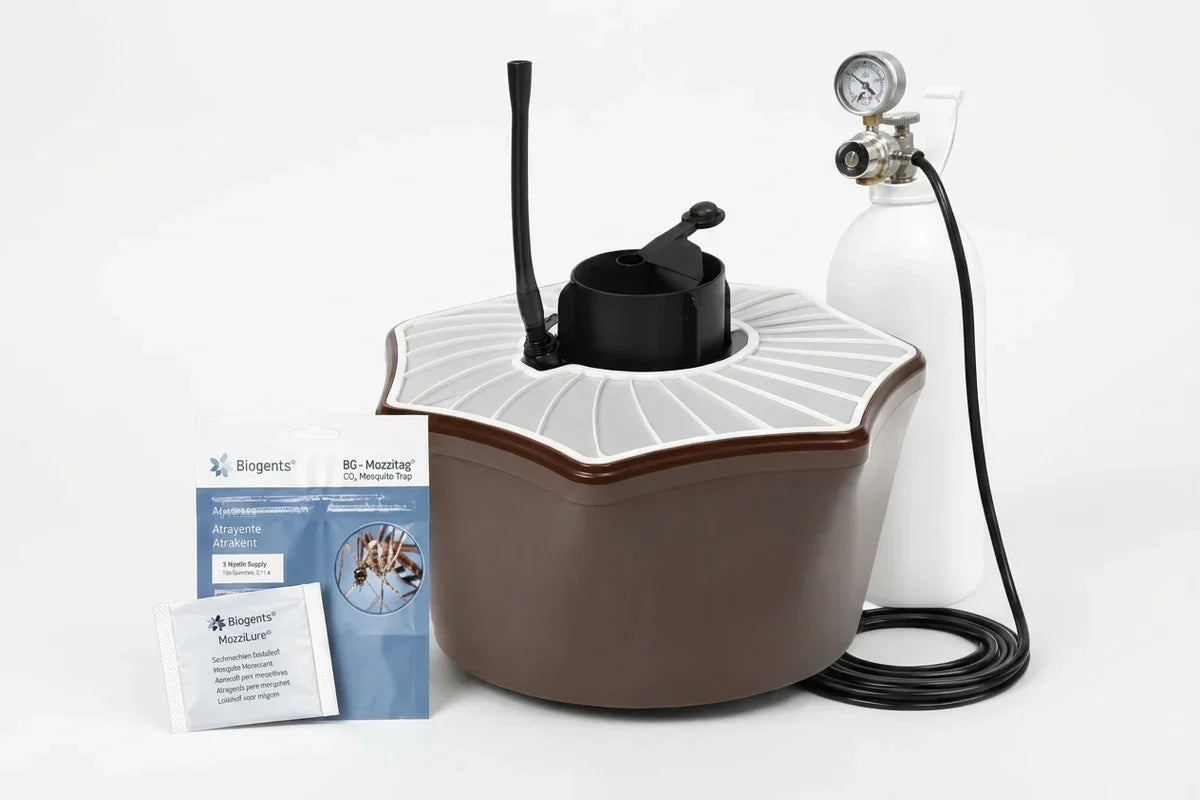
A BG-Mosquitaire setup mimics human cues to attract and capture host-seeking mosquitoes. These are the mosquitoes looking for a blood meal, so place the trap as part of the yard’s mosquito-control setup rather than treating it like a tabletop device for the middle of a gathering. Explore host-seeking mosquito trap setups when biting adults are your immediate concern.
A gravid trap handles another point in the cycle. It mimics a breeding site and targets egg-laying mosquitoes. That makes traps for egg-laying females a complementary option rather than a substitute for a host-seeking trap. One setup catches mosquitoes looking for people, while the other is designed around mosquitoes looking for a place to lay eggs.
Some trap configurations use carbon dioxide as an additional attraction cue. If that approach suits your property and trap plan, compare the available CO2-assisted setups. Follow the setup instructions for the equipment you choose and give placement proper attention. A trap sitting in the wrong part of the yard cannot do the same job as one positioned where mosquitoes are active.

Look Beyond the Patio
The mosquito problem may feel worst beside the chairs and grill, but the useful work often happens elsewhere. Check property edges, storage areas, drainage points, dense vegetation, and the shaded spaces beneath decks or porches. These less-used parts of the yard are easy to overlook because nobody spends an evening sitting there.
Keep your effort within the property you control. If water or heavy mosquito activity appears to come from a neighboring, shared, or managed area, contact the person responsible for that space instead of entering it or applying a treatment yourself. For patios, porches, campsites, and other open-air areas beyond this yard plan, see our guide to getting rid of mosquitoes outside.
Use Yard Sprays With Care
An outdoor adulticide is an insecticide intended to kill adult mosquitoes. It can be applied where mosquitoes rest, including beneath leaves, under decks and porches, in tall grass or dense brush, and in moist shaded areas. Treating those resting spots is more focused than spraying every exposed surface.
Read the product label before mixing or applying anything. The CDC’s outdoor adulticide guidance says to avoid direct application to fruits and vegetables and to follow all restrictions for people, pets, and plants. More product is not a better treatment. Use only the amount, locations, and application schedule stated on the label.
Frequently asked questions
Can I Use Larvicide in Water Meant for Drinking?
No. Larvicides for mosquito control should be used only in suitable standing water that will not be used for drinking. Check the label to confirm that both the treatment site and intended use are allowed.
What Can I Use When a Water Container Has No Lid?
Cover the opening with wire mesh whose holes are smaller than an adult mosquito. Secure it so mosquitoes cannot slip through gaps around the edges.
Can I Spray Adulticide on Blooming Flowers?
Do not apply adulticide to plants in bloom or plants being visited by pollinators. Follow the product label for any additional restrictions concerning vegetation.
When Can People and Pets Return After an Outdoor Spray?
Keep people and pets away until the treated area has dried. That is usually about an hour, but the time and instructions on the product label take priority.
Share:
How to Get Rid of Mosquitos in Home: Safe, Practical Steps
How to Get Rid of Mosquitos in Home: Safe, Practical Steps