
Getting rid of mosquitoes in the house takes more than swatting the one circling your bedroom. Remove the adults you can see, check the cool and humid places where others may be resting, eliminate indoor standing water, and block the openings that let new mosquitoes enter. If the problem keeps returning, look beyond the room and address the outdoor source as well.
Deal With the Mosquito in the Room
When one mosquito is keeping you awake, close the door so it stays in a manageable space. Then check the walls, curtains, ceiling, headboard, and the dark space beneath or behind furniture. A flashlight held close to the wall can make a resting mosquito easier to spot.
Mosquitoes may settle in cool, dark, humid locations during the day. That makes closets, laundry rooms, showers, under-sink cabinets, and spaces behind furniture worth checking. If the buzzing stops and you lose track of it, follow our guide to finding a mosquito in a room rather than searching the same open wall over and over.
A fly swatter or handheld vacuum can handle an exposed mosquito. If it keeps moving before you get close, darken the room and leave one small light source near an uncluttered wall. This reduces the number of places you need to watch. Our guide to catching a mosquito in the house covers a more focused approach for a single stubborn visitor.

Remove the Conditions That Let Mosquitoes Return
Finding several mosquitoes on different days usually means more are entering or there is water nearby. Treat both possibilities. Killing adults may bring immediate relief, but it won’t keep the house clear if an open door, damaged screen, or water-filled container remains in place.
- Inspect window and door screens for tears, loose edges, and gaps around the frame. Repair the damage instead of leaving the window partly open.
- Keep exterior doors and garage doors closed when they aren’t being used. Avoid propping a door open while carrying groceries, working in the garage, or letting pets in and out.
- Empty and scrub containers that hold water indoors. Flowerpot saucers and vases are easy to notice, but a slow plumbing leak can also leave a damp area that needs attention.
- Turn over, cover, discard, or store unused containers so they cannot refill. Check rooms that stay humid or receive less day-to-day attention.
- Use air conditioning when possible rather than relying on an unscreened open window for airflow.
Scrubbing matters because pouring out the water alone may leave eggs attached to the container. The CDC’s home mosquito-control advice combines water removal with screens and closed doors. These steps work together to remove possible development sites without opening another route indoors.
If you find developing mosquitoes in a vase, tray, bucket, or another container, our guide to mosquito larvae in water explains that part of the problem in more detail. Pay attention to where the water came from so the container does not quietly refill after cleanup.

Use Indoor Insecticides as a Targeted Follow-Up
An indoor insect spray or fogger can kill adult mosquitoes that remain after you improve screens and remove standing water. Surface sprays are meant for places where mosquitoes rest, so direct treatment toward label-approved areas rather than spraying throughout the house without a plan. Products may require reapplication, and every instruction on the label matters.
Foggers and aerosols require extra preparation. People and pets must leave during treatment, fish tanks should be covered, and occupants should wait until the spray has dried before returning. The CDC indoor spraying fact sheet distinguishes these products from surface sprays, so check which type you have before using it.
Indoor insecticide should stay in its supporting role. It can deal with mosquitoes already present, but it cannot repair a screen, close a door, or empty a water-filled saucer. If you skip those parts, another round of mosquitoes can put you back where you started.

Address the Outdoor Source of an Indoor Problem
Once the indoor rooms are clear, consider where mosquitoes are gathering immediately outside. A frequently opened patio door can turn an outdoor population into a repeated indoor nuisance. Inspect the parts of your property you control, especially around entries, containers, gutters, plant trays, birdbaths, and pools. If you rent or share the property, report leaks, damaged common-area screens, or standing water to the person responsible for maintenance.
The EPA recommends combining prevention with reduced-risk treatment methods instead of relying entirely on chemical pesticides. Its practical pest-control approach includes fixing leaks and eliminating standing water around the property.
For a broader outdoor plan, use our guide to getting rid of mosquitoes in the yard. You can also compare available trapping options for the space around your home. Traps belong outside when their product directions specify outdoor use. Do not move an outdoor model into a bedroom or living area simply because that is where you noticed the mosquito.
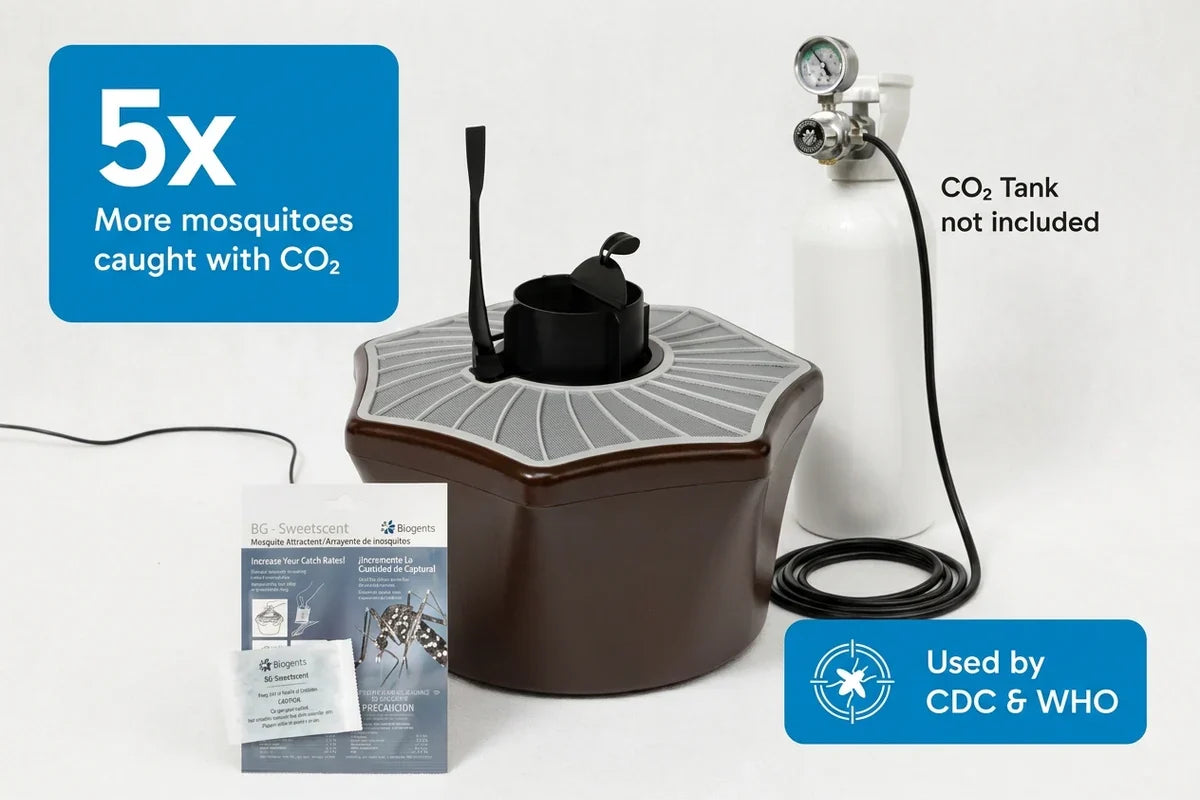
Different outdoor traps fit different mosquito behavior. Options for egg-seeking females may complement water-source cleanup, while a host-seeking mosquito setup addresses mosquitoes looking for a person to bite. Where a wider range of outdoor mosquitoes is involved, you may also compare systems that use added carbon dioxide. Follow each product’s placement and operating instructions rather than choosing a location based only on where people sit.
Know When the Problem Needs Professional Help
A mosquito that slipped through an open door is one thing. Mosquitoes appearing repeatedly after entry points and water sources have been addressed call for a closer look. A pest-control professional can treat indoor resting areas and help you deal with a problem that continues despite the household steps available to you.
Frequently asked questions
How Often Should I Check Indoor Containers for Mosquito Water?
Check and clean water-holding items once a week. Empty and scrub them, since mosquito eggs may remain attached to the container after the water is poured away.
Do I Need to Cover a Fish Tank When Using a Mosquito Fogger?
Yes. Cover fish tanks before using an indoor fogger or aerosol, and follow every preparation and reentry instruction on the product label.
Can People and Pets Stay Inside While a Surface Spray Is Applied?
The CDC fact sheet says people and pets can remain inside when surface sprays are applied. This does not apply to foggers or aerosols, and the individual product label must still be followed.
When Should I Call a Pest-Control Professional for Indoor Mosquitoes?
Consider professional help when mosquitoes continue to appear after you have dealt with entry points and indoor water sources. A professional can treat the areas where adult mosquitoes rest inside the home.
Share:
How to Get Rid of Mosquito Hawks: Crane Fly Solutions
How to Get Rid of Mosquito in Room: Simple Steps That Work