
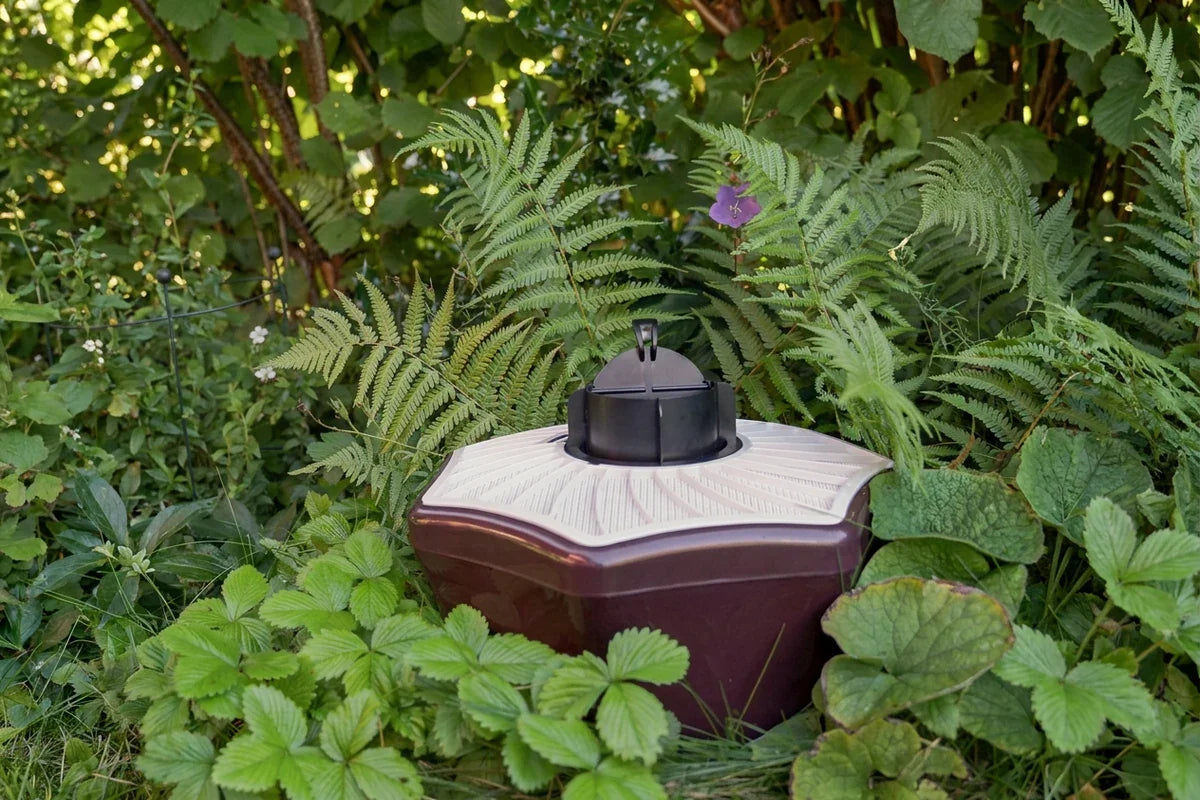
Getting rid of mosquitoes outside takes a layered approach. Remove the water they use for breeding, tidy the shaded places where adults rest, use outdoor traps where they fit, and protect yourself from bites while those longer-term measures take effect. Start with the water, because a forgotten bucket or plant saucer can keep replenishing the mosquitoes around your patio.
Remove Standing Water Every Week
Mosquitoes lay their eggs near water, so your first job is to find the small collections of water scattered around the property. Once a week, empty and scrub, turn over, cover, or discard anything that holds it. The CDC’s outdoor control steps include familiar trouble spots such as buckets, planters, toys, birdbaths, and trash containers.
Don’t limit the check to the middle of the lawn. Look beside the shed, behind outdoor furniture, beneath a leaky spigot, and anywhere garden supplies have been set aside. Turn portable items upside down when they’re not being used. Give containers you want to keep a scrub before refilling them rather than tipping out the old water and immediately adding more.
- Empty water from movable containers and scrub their inner surfaces.
- Turn over buckets, toys, and unused planters so rain cannot collect inside.
- Cover rain barrels and other water-storage containers tightly.
- Discard damaged containers and outdoor clutter that no longer serves a purpose.
- Clean rain gutters so water can move through them instead of collecting.
A regular route makes this easier. Walk the same path around the house after watering the garden or after rain, then deal with each item as you find it. For a broader property plan, use our complete guide to getting rid of mosquitoes in your yard.

Handle Water That Has to Stay
Some outdoor water cannot simply be tipped onto the ground. A rain barrel may be part of your garden setup, while another large container may need to remain filled. Keep storage containers tightly covered. If you’re dealing with an open water feature or another place where immature mosquitoes may be present, our guide to mosquito larvae in standing water explains that stage of the problem.
For a large body of water that cannot be emptied or covered and will not be used for drinking, a larvicide may be appropriate when applied according to its label. Product choice and correct use matter, so follow our guide to killing mosquito larvae in water rather than improvising a treatment.
Reduce the Places Adult Mosquitoes Rest
Once the water check is under control, turn to the cooler, darker, more humid parts of the outdoor space. Keep the lawn mowed, cut down weeds near the house, and thin thick vegetation where practical. These jobs open up the areas immediately around patios, doors, and walkways without turning the garden into bare ground.
Outdoor spraying alone will not keep a yard free of mosquitoes. If you decide to use an outdoor insecticide, read and follow its label instead of broadly spraying every surface. The CDC’s outdoor spraying information pairs treatment with lawn care, weed removal, covered rain barrels, and clean gutters.
Planting choices can sit alongside these practical steps, but keep that subject in proportion to the water and resting-site work. If you’re considering changes around a patio or garden bed, our guide to plants used around mosquitoes covers that option in more detail.
Add Traps to the Outdoor Control Plan
After you’ve removed the obvious breeding sites, trapping gives you a way to target adult mosquitoes that are already moving through the space. Start by comparing outdoor trapping choices according to the mosquitoes you want to target and the part of their behavior the trap uses.
A suction-based outdoor setup is designed to attract host-seeking mosquitoes, meaning females looking for a blood meal. Place any trap according to its instructions and let it do the job it was designed to do. Moving it right beside people can put it in competition with the very hosts mosquitoes are trying to find, so placement deserves attention rather than guesswork.
You can also consider traps for egg-laying females. This targets a different point in mosquito behavior than a trap aimed at biting mosquitoes. Combining different trap types may make sense when both host-seeking and egg-laying mosquitoes are part of the outdoor problem.
Carbon dioxide (CO2) is a component of human breath and an important attractant for blood-feeding insects. If you need to attract a wider variety of mosquito species, compare setups that add CO2. Use the equipment only as directed, including the instructions for the trap and the gas cylinder.

Prevent Bites While You’re Outside
Property control takes ongoing attention, but you can reduce your exposure during tonight’s cookout or gardening session. Use an Environmental Protection Agency (EPA)-registered insect repellent and follow its label. Loose-fitting long sleeves and pants add a physical layer when the weather and activity make them practical.
Clothing and gear treated with permethrin offer another option. The CDC’s bite-prevention advice combines registered repellents with covered skin and treated clothing or equipment. Choose the measures that suit your plans, especially when you’ll be outdoors for an extended period.

Deal With Problems Beyond Your Property
The source of persistent mosquito activity may sit in a shared courtyard, neighboring lot, rental-property drain, or public space that you cannot alter. Note the specific location and the water-holding item, then contact the owner, property manager, or appropriate local service. That gives the person responsible for the space something concrete to address while you continue the measures available on your own property.
Frequently asked questions
Can I Use Larvicide in Water Meant for Drinking?
No. The larvicide recommendation applies to large bodies of water that cannot be dumped or covered and will not be used for drinking. Always follow the product label.
Can Permethrin Mosquito Products Be Applied to Skin?
No. Permethrin products are intended for clothing or gear, not direct application to skin. Use a suitable EPA-registered skin repellent according to its label.
How Do I Cover a Water Container That Has No Lid?
Use wire mesh with openings smaller than an adult mosquito. Secure it so mosquitoes cannot slip around the edges to reach the water.
Where Should an Outdoor Mosquito Spray Be Applied?
When the label permits, focus on cool, dark, humid resting places such as beneath decks, under patio furniture, around sheds, and within thick vegetation. Do not treat flowering plants.
Share:
How to Get Rid of Mosquitos in Home: Safe, Practical Steps
How to Kill Mosquito Larvae in Water: Safe, Effective Steps