
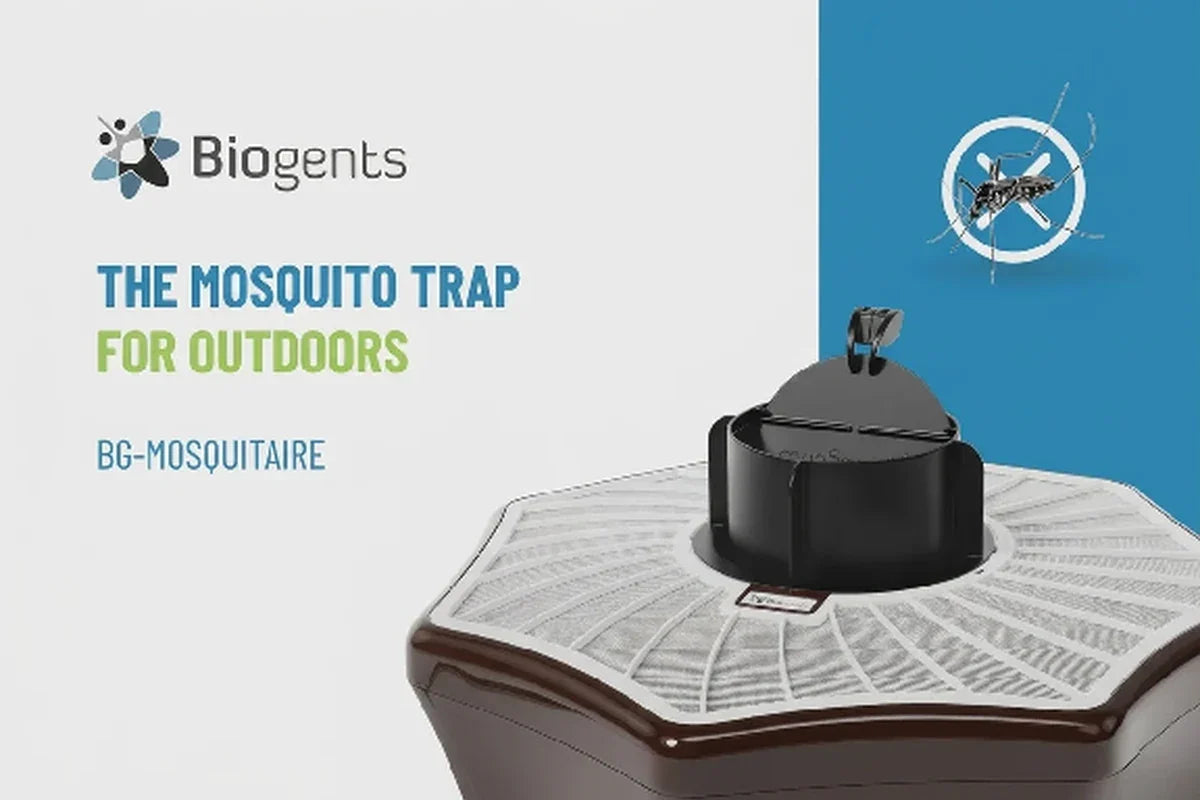
Most of what works against mosquitoes isn't a product, it's a habit. Ten minutes once a week tipping out standing water does more than anything you can spray, and a trap only pays off if you leave it running rather than switching it on for the evening.
So this is a schedule rather than a shopping list. Some of it you do once and forget, some of it is weekly through the season, and some of it runs on its own once it's set up.
Building a Natural Mosquito Control Routine
Set it up in this order, because each step makes the next one work better. The first two deal with the water, and the second two deal with what's already flying.
- Every week, tip out the water. Saucers under flowerpots, buckets, sagging tarps, gutters, kids' toys left out in the yard. Emptying anything that holds water, weekly breaks the cycle before larvae turn into biting adults, and weekly is the interval because that's about how long they take to get there. Pick a day and make it the same day each time, since this is the step people mean to do and then don't.
- Once, for the water that has to stay. A rain barrel you're actually using, a garden pond, a drainage basin that fills every time it rains. Drop in a Bti dunk or granules, which is a soil bacterium that kills mosquito larvae and leaves fish, birds, and pets alone. Check the label before you treat anything that gets drunk from, since approvals differ between products and a birdbath is a different case from an ornamental pond. Dunks last around thirty days, so put a reminder somewhere, because this one is monthly through the season rather than something you do once and forget.
- Once, then leave it alone. Put a Mosquitaire in the damp, shaded planting where mosquitoes rest during the day, and well back from where you sit. It catches host-seeking mosquitoes, meaning the ones out hunting for a blood meal. Add the attractant that goes inside it, which copies the smell of human skin, and the fan draws them into the catch bag. This is the step that rewards being left running. Set it up in spring, leave it on through the season, and the only thing you're doing after that is emptying the bag and swapping the lure.
- Once, and it's the other half of the job. A GAT catches gravid mosquitoes, meaning the ones that have already fed and are looking for somewhere to lay their eggs. It's water-filled and passive, so it needs no power, and it goes in the quiet shaded corners around the edge of the yard rather than out where people are. Each one caught is a batch of eggs that never gets laid, so this step works on next month's mosquitoes rather than this evening's.

Physical Barriers and Skin Protection
Traps deal with the yard. Keeping mosquitoes off you and out of the house is a separate job, and it's mostly unglamorous maintenance.
Fix the torn window and door screens, since that's the single cheapest thing on this list. Run the air conditioning in hot spells, because mosquitoes are far less active in cool dry air. Put netting over a stroller or a baby carrier if you're outside with an infant, and wear loose long sleeves and long pants for yard work, where you're moving around in the planting rather than sitting out on the patio.
On skin, look at the active ingredient rather than the marketing. The EPA lists oil of citronella and catnip oil among the plant-derived actives used in repellents, some registered and some exempt from registration, which are not the same thing. Oil of lemon eucalyptus is the plant-derived one with registered protection behind it, and it shouldn't go on children under three.
If you have pets, check before you use any of these. A lot of the essential oils that repel mosquitoes are toxic to dogs and cats, whether they're licked off skin, absorbed through contact, or breathed in from a diffuser. Your vet is the quickest way to find out what's safe around your animals.
That registration distinction is the practical one. An EPA-registered repellent has been through testing for both safety and whether it actually works, and the CDC's position is that effectiveness isn't established for the ones that haven't. Plenty of botanical sprays on the shelf fall into that second group, so a bottle saying natural tells you nothing about whether it'll keep mosquitoes off you for an evening.
Personal protection and yard control do different jobs, and you want both. Repellent and long sleeves get you through this evening. The trap and the weekly water check are what make next month quieter. Our guide to natural mosquito remedies goes through what's actually been tested and what hasn't.
What to Do and How Often
Getting the trap in the right place is a one-time job, and it's the one people get wrong, because the convenient spots are the sunny, breezy ones near the house and mosquitoes avoid exactly those. Traps should go in the damp, shaded planting where mosquitoes rest during the day, sheltered from wind and sprinklers, and at least ten to twenty feet from where you actually sit. Our guide to natural mosquito killers goes into why the distance does the work.
Once it's running, the whole thing comes down to four habits.
Weekly. Walk the yard and tip out anything holding water. Ten minutes, same day each week.
Every week or two. Empty the catch bag before it packs solid, and clear leaves or cobwebs out of the intake while you're there. How often depends on the season and how much you're catching.
Monthly. Replace the Bti dunk in any water you couldn't drain.
Every two months. Swap the attractant. It fades rather than stopping outright, so catches drop off while the trap still looks like it's working normally.
And after any serious storm, check the trap and the cord before you assume it's still running. Keep the connection off the ground and clear of sprinklers, use an outdoor-rated extension cord if you need one, and plug it into a GFCI outlet, the kind with the test and reset buttons that cuts the power if water gets in.

Tracking Results and Managing Expectations
Judge it over weeks, not evenings. A bad night doesn't mean the plan isn't working, and a quiet one doesn't mean it is. Rain, humidity, wind and whatever your neighbors are or aren't doing all move mosquito numbers around week to week.
Early on, check the catch bag to confirm the trap is in the right place. If you're finding mosquitoes in it, they're finding the trap, which is the first thing to establish before you judge anything else.
Over a few weeks you should be getting bitten less, and the reason is simple arithmetic. Every mosquito in the catch bag is one that isn't laying a batch of eggs, so there are fewer of them next month, and fewer again the month after.
If the catch drops off but you're still getting bitten where you sit, move the trap closer to the planting at the edge of the yard. It usually means they're coming from further out than you thought, or there's a breeding spot or a resting spot you haven't found yet. It can also mean your neighbors aren't doing anything about theirs, which is a real limit on what one yard can achieve.

Frequently asked questions
Which Overlooked Places Should I Add to My Weekly Water Check?
The ones people miss are the containers that don't look like containers. Old tires, blocked drains, the folds in a pool cover, trash and recycling bins left open, corrugated downspout extensions, and the saucer under a plant you never move. Tip out what you can and drill drainage holes in anything that keeps refilling and can't be moved.
Can Pets Drink From Water Treated With a Larvicide?
Check the label, since it varies. Some Bti products are approved for water animals drink from and some aren't, and the label is the only place that tells you which one you have. The safer route with a pet bowl or a trough is to empty and refill it rather than treat it, because that takes minutes and removes any question.
Can I Hide a Trap Behind Furniture or Deep Inside a Hedge?
No, although it does seem like common sense and plenty of people make this mistake. The trap needs air moving through it and a clear approach, so a hedge packed around it or a bench pushed up against it blocks both. Put it at the edge of the planting rather than buried in it, where it's still in shade and shelter but nothing is up against the intake.
Are All Plant-Based Mosquito Repellents Regulated the Same Way?
No. Some are registered with the EPA, which means they've been tested for whether they work and whether they're safe, and some are exempt from registration, which means they haven't. Both can say natural on the bottle. Look for the EPA registration number on the label if you want one with testing behind it.
Share:
Bed Bug Bites vs Mosquito Bites: Timing and Evidence
Bed Bug Bites vs Mosquito Bites: Timing and Evidence