
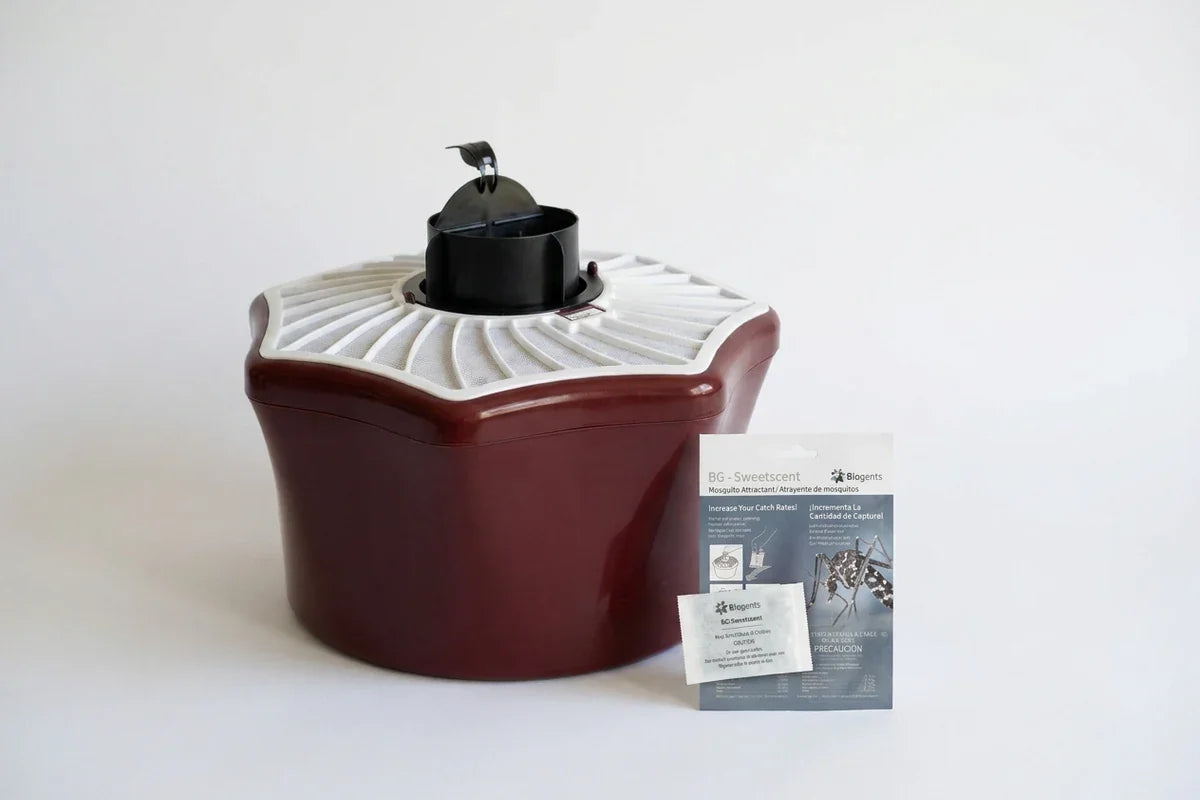
Plants can make a patio or garden more inviting, but growing aromatic herbs won’t get rid of mosquitoes. Lavender, mint, and similar plants do not release enough repellent compounds into the surrounding air to protect a yard. Keep the plants you enjoy, then deal with mosquitoes where they breed and use proven bite protection when you need it.
Why Mosquito-Repellent Plants Fall Short
Aromatic plants get their mosquito-fighting reputation from essential oils. Those oils can be useful after they have been extracted and concentrated into a suitable product, but the living plant is a different thing. According to Penn State Extension’s mosquito-control advice, a plant growing in a pot or flower bed does not contain enough accessible essential oil to repel mosquitoes effectively.
The scent you notice while brushing past a herb is not a protective barrier. It may smell strong to you at close range, yet it does not spread through the yard at a concentration that reliably stops mosquitoes from approaching. Placing several scented plants around a seating area does not solve that basic limitation.
Crushing leaves releases more aroma, but this still is not a good substitute for a tested repellent. Any effect may be brief, and rubbing plant material on your skin can cause irritation. If you like rosemary, basil, mint, or lavender, plant them for their appearance, fragrance, or use in the kitchen. Just don’t give them the job of mosquito control.

What to Plant Without Creating More Mosquito Habitat
You do not need a special mosquito-repelling garden. Choose plants that suit your space and the care you can give them. The more important decision is how you manage their containers, because a pretty planter can become part of the mosquito problem when water remains in or around it.
The CDC’s home mosquito-control instructions recommend checking water-holding items once a week. Empty and scrub, turn over, cover, or discard containers that collect water. In a planted area, pay particular attention to flowerpot saucers, spare pots, watering cans, and buckets.
- Empty water from saucers and scrub away residue before putting them back.
- Store unused pots and watering containers upside down or under cover.
- Look over the planting area after rain, including tucked-away corners behind pots.
- Refresh and scrub water features such as birdbaths during the same weekly check.
Water management deserves more attention than plant selection because mosquitoes use standing water for reproduction. If you already see movement in a container, our guide to identifying mosquito larvae in water explains what you are looking at. For treatment choices, use our guide to choosing a mosquito larvae killer rather than improvising with an unlabeled substance.

Build a Practical Mosquito-Control Plan Around Your Plants
A planted patio can stay exactly that: a place for plants. Mosquito control works better as a separate plan based on the problem you actually have. Start with water removal, protect yourself from bites, and consider trapping when mosquitoes remain active around the space.
| Part of the Plan | When to Use It |
|---|---|
| Container care | Use it throughout the garden to prevent pots, saucers, and yard items from holding water between weekly checks. |
| Personal repellent | Use it when you will be outdoors and mosquitoes may bite. Choose an EPA-registered product and follow its label. |
| General trapping | Consider trapping options for outdoor spaces when you want to add trapping to your broader control plan. |
| Breeding-stage trapping | Explore traps for egg-laying mosquitoes when that category fits your setup. |
| CO2-assisted trapping | Compare options designed for use with CO2 when you are considering that type of trap system. |
Treat the whole outdoor area as one connected space. A spotless herb planter will not compensate for rainwater sitting in a toy, tire, or trash container nearby. Walk the route you normally take from the door to your seating area and inspect the objects along it. Then check less obvious edges, such as storage areas and the space behind large containers.
If mosquitoes are active across more than the planting area, our complete guide to getting rid of mosquitoes in the yard helps you widen the plan. Our guide to getting rid of mosquitoes outside covers outdoor spaces beyond a single flower bed or patio corner.

Keep Plant Claims Separate From Bite Protection
A label such as “natural” does not tell you whether a repellent has been shown to protect against mosquito bites. The CDC notes that the effectiveness of non-EPA-registered repellents, including some products sold as natural options, is unknown. For personal protection, choose an EPA-registered mosquito repellent and use it according to the label.
This lets each part of your outdoor setup do a job it can actually handle. Plants add greenery, fragrance, shade, or food for the kitchen. Repellent protects the person using it, while water management addresses places where mosquitoes can reproduce. Keeping those roles separate makes it easier to spot the real weak point instead of buying another scented plant and hoping the patio improves.
Plan Before Adding More Pots
Before expanding a container garden, decide where excess water will go. A saucer may protect a deck or indoor surface, but outdoors it also needs regular attention. If you cannot inspect a container easily, place it somewhere more accessible or change the setup so water does not sit unnoticed.
Also consider who controls the surrounding space. You can empty containers on your own property, but shared courtyards, apartment grounds, and neighboring lots may require a conversation with the person responsible for maintenance. Note the specific water-holding item and its location. That gives the owner or property manager something concrete to address instead of a general complaint about mosquitoes.
Frequently asked questions
Can a Mosquito-Repellent Plant Protect an Indoor Room?
A living aromatic plant does not release enough essential oil to provide reliable mosquito protection indoors. Keep it as a houseplant, not as a replacement for screens or an appropriate personal repellent.
Does Rubbing Crushed Leaves on Clothing Repel Mosquitoes?
Crushed leaves may leave a strong scent on clothing, but any repellent effect is brief. Plant material may also stain fabric, so it should not be treated as a dependable alternative to a tested product.
Are All Natural Mosquito Repellents Effective?
No. The effectiveness of non-EPA-registered repellents, including some products marketed as natural, is unknown. Choose an EPA-registered repellent for bite protection and follow the directions on its label.
What Should I Do About Standing Water in a Shared Yard?
Report the specific container or drainage area to the property owner, manager, or person responsible for the space. Include its location and explain that it is holding water so the problem can be addressed directly.
Share:
Mosquito Larvae Killer: What Works for Standing Water
What Do Mosquito Larvae Look Like in Water? A Simple Guide